


In an era when marketing plays an increasingly prominent role in the lives of businesses and consumers, it is important to differentiate yourself and capture users’ attention and interest in your brand.
There are many marketing strategies more or less ethical nowadays, so it becomes difficult to disentangle in an ocean of businesses that would do anything to establish themselves in the market.
It is most important to play the game correctly and fairly if we want to retain customers over time, offering them not only the product itself, but also a real experience that can excite them.
Emotions are the focus of many big brands that have made this aspect a real business style, we are talking about emotional marketing.
If you are reading this article you probably typed one of these keywords:
- emotional marketing business cases
- emotional marketing examples
- emotional marketing campaign
Emotional marketing: what it is and how it works
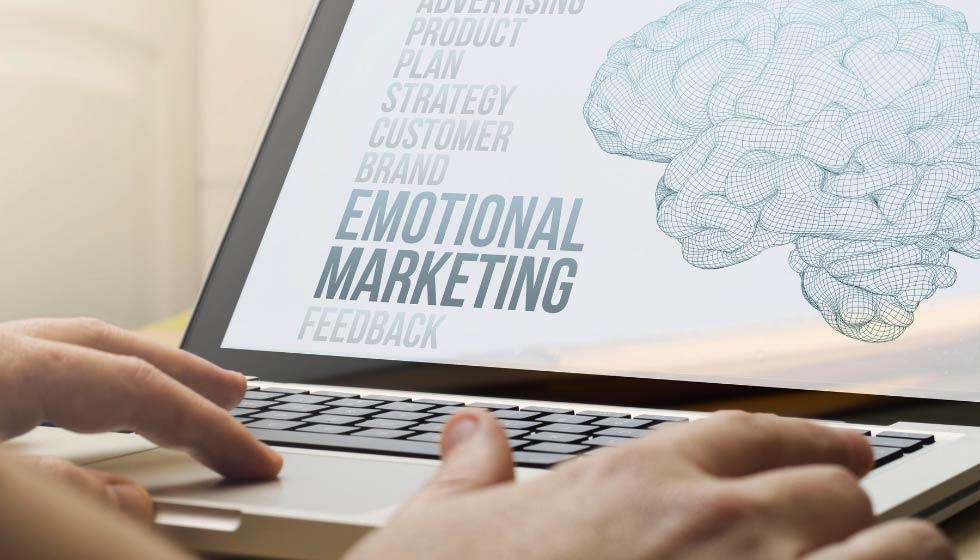
Emotional marketing or emotional marketing is an effective strategy that aims to create positive emotions in the consumer in order to promote a product or service of a particular brand.
This is a real emotional and sensory association that a brand must succeed in creating in the consumer in order to establish a bond with them. Obviously, an ethical and professional approach is crucial if this bond is to remain as long-lasting as possible.
The emotional system of the human brain, unlike the rational one, acts unconsciously and is the quickest to store information and implement a choice, which is why arousing deep emotions can prove to be of utmost importance.

It is no coincidence that a well-known phrase in marketing states that every person tends to act (convert) in a completely emotional way, and then justify their choices rationally.
Emotional marketing is a very useful resource for making a great first impression, creating a bond of trust between consumer and brand.
The consumer at this point could become a spokesperson for your brand and philosophy, engaging other people as well.
But how do you elicit strong emotions in a consumer through a product or service? This will be discussed shortly.
How to build your effective strategy with emotional marketing
To build your winning emotion-based strategy, you need to know all the aspects that are going to influence the user during, for example, a buying phase or analysis of your brand.
These are small touches that will make a big difference in the eyes of the consumer and open the door toward continued loyalty to your brand.
But what are the tricks that make a difference? Let’s look at them together in detail.
Know your audience
The first very important aspect that should not be underestimated in any marketing campaign is one’s audience.
In fact, you need to be clear about what your ideal audience is, better known as the target audience and buyers person.
To do this, ask yourself questions such as:
- Who are the people to whom I want to target my product/good/service?
- What are the needs of these people?
- Is there a pain / problem / ambition that I can solve / nurture?
- What is the differentiating element?
- What emotion do I want to arouse in the user?
These are just some of the questions you can ask yourself to create the ideal profile to target your brand. The more detailed the typical target audience, the more you will be able to create a tailored and effective strategy.

Emotional Branding: Select the right colors for your branding
Color and emotion are closely related factors. Suffice it to say that certain colors are able to evoke contrasting emotions based on their intensity and hue.
Therefore, it is very important to choose colors for your brand that will help the user connect with the mood you want to express.
Choose colors that stimulate the exact emotion you want to focus on. To be clearer, I’ll give you some examples.
- The color purple is associated with royalty and stimulates an emotion of curiosity and mystery, perfect for theluxury sphere.
- Green, stimulates positive and reassuring feelings and is perfect for the environment sphere of health and in some cases financial.
- Blue stimulates trust and is often used in business and politics

Emotional Marketing Phrases: Use storytelling to engage
One of the most useful tools in emotional marketing to engage, excite and make the user empathize is certainly storytelling.
A narrative, capable of moving the user, in which you convey your brand values, ideology and the importance of your customers, through a real story.
With storytelling you may also be able to evoke a kind of “nostalgia effect” and make users relive pleasant experiences from the past, stimulating intense emotions in them.
For an even more resounding result, make use of the visual storytelling by capturing and stimulating the user through a specially created visual narrative.
Evokes sensory experiences through language
The copy of your company or product must also enhance emotions. Indeed, through words you can evoke real sensory experiences and images in the consumer’s head.
Therefore, use words that appeal to the 5 senses, especially if they are physical products. This is necessary to convey the qualities of an online product, perfect then in case your business is an e-commerce.

Emotional Marketing Strategies: Use images and videos that capture
Images and videos are essential in a well-thought-out marketing strategy, as they capture the user’s attention faster than text.
This will allow you to bring the consumer as close as possible to a live-like experience.
Stimulate emotions through social media campaigns and accompany each post or story with a video or image that the user can identify with, so they will be more inclined to share it with others, thus fueling your brand awareness.
Creates a sense of belonging to build lasting relationships
Group membership is a cornerstone of neuromarketing. Make the user feel part of a group that shares the same values, goals, ideals, and emotions.
This sense of community leads the user to build loyalty and view your brand as the only one that can meet their expectations and needs.
In conclusion, the purpose of emotional marketing is to stimulate positive emotions toward your brand.
Therefore, creating a strategy based on emotional marketing can prove to be an indispensable tool if carried out ethically and professionally.
On your part, however, extreme professionalism is required, which will be reflected in the quality of the services you offer and an unparalleled customer experience.
At Factory Communication, we are here to help you create a marketing and communication strategy tailored to your needs.
Emotional Marketing
Are you interested in learning more about Emotional Marketing and Customer Experience? Also read these articles:
- Want to improve the customer experience? Make like Kinder
- Marketing QRcode in your business strategy
- Homer Simpson-style marketing lesson: what (not) to do absolutely
- Customer experience and customer satisfaction! What does the Customer think about you?
- Customer retention: 7 strategies for Business
- Those who do Community Marketing build an empire
- Buyer Journey Marketing: monitor results this way