



In the modern marketing landscape, proximity marketing (or proximity marketing) is emerging as one of the most innovative and effective strategies for reaching customers.
Through the use of new technologies, this strategy allows companies to communicate in a personalized way with their customers in real time when they are in certain geographic areas, such as outlets, trade shows or shopping malls.
In this article we will explore what proximity marketing is, how it works, what tools are needed to implement a proximity marketing strategy, and look at concrete examples and real case studies.
If you are a business owner looking for ways to attract more customers and increase sales, proximity marketing is a solution to consider.
What is proximity marketing
Proximity marketing is a strategy that uses location to communicate with potential customers who are in certain areas near your store, event or business. The goal is to engage the customer at the right time by offering customized information, promotions or incentives.
This proximity marketing strategy is particularly effective because it relies on direct interaction with customers through their mobile devices, such as smartphones and tablets, using push notifications, SMS, email or other forms of communication.
For example, a store in a mall might send a personalized notification to a customer passing nearby, offering a 20 percent discount on a product or service. This approach not only increases sales, but also improves the customer experience, making each interaction unique and relevant.
How proximity marketing works
Proximity marketing uses a combination of new technologies to identify a customer’s location and send relevant messages in real time. Here are the main technologies used:
- Beacon
Beacons are small devices that use Bluetooth technology to send signals to nearby mobile devices. When a customer approaches a beacon, they receive a notification on their smartphone with offers, promotions, or useful information. - Geofencing
Geofencing allows a “virtual fence” to be created around a specific geographic area. When a customer enters or leaves this area, a message or action, such as an SMS or push notification, is triggered. - Wi-Fi marketing
This technology allows companies to collect data on users who connect to the venue’s Wi-Fi network and send them personalized messages. - NFC (Near Field Communication)
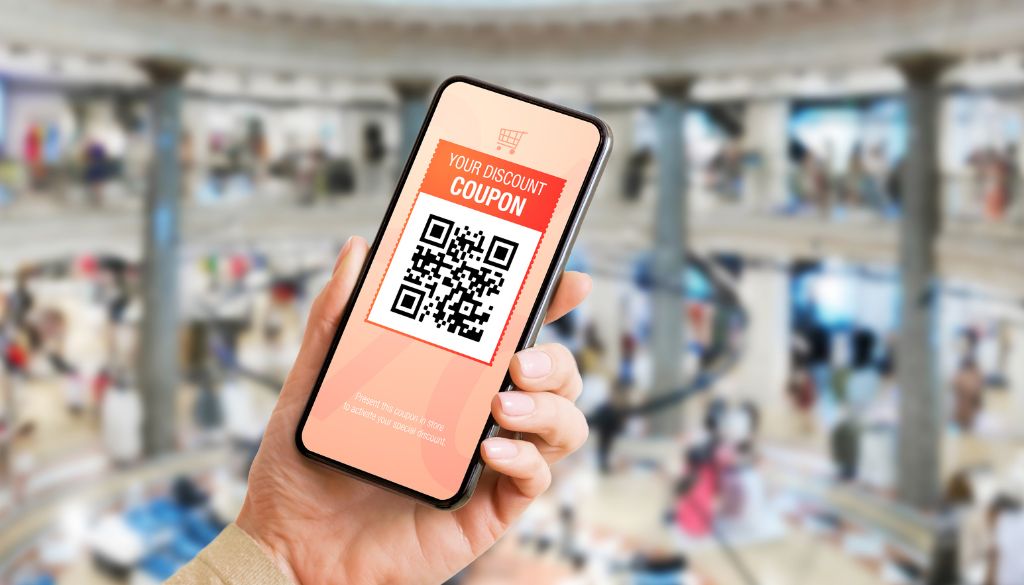
NFC is the same technology used for contactless payments. It can be used to offer exclusive content or discounts to customers who bring their device close to an NFC tag. - QR code
QR codes are a simple and inexpensive tool that allows users to access offers or information by scanning a code with their smartphone.
These technologies work together to ensure that messages are sent at the right time, in the right place, and to the right potential customer.
What tools do you need for a proximity marketing strategy?
To implement a proximity marketing strategy, a few key tools are needed:
- Hardware
- Beacons: Devices such as those produced by Estimote or Kontakt.io.
- Advanced routers for Wi-Fi marketing.
- Software
- Beacon management platforms such as Beaconstac or Bluedot, which help configure and monitor devices.
- Geofencing tools such as Radar or PlotProjects, to create and manage virtual geographic areas.
- CRM and marketing automation software such as HubSpot or ActiveCampaign to personalize messages.
- Mobile Apps
- Enterprise apps can integrate proximity marketing features, such as geolocation-based push notifications.
- Analysis tools
- Platforms such as Google Analytics or proximity marketing-specific tools to monitor the success of campaigns and optimize them.
With these tools, any company can implement a targeted proximity marketing strategy, monitor the results in real time, and improve the customer experience
Proximity marketing: practical examples
Proximity marketing is used in a variety of industries to improve the customer experience and increase sales. Here are some concrete examples:
- Retail
A clothing store in a shopping mall can use beacons to send push notifications to customers near the store, offering a 10 percent discount on a product or service. This immediate call to action encourages customers to visit the store and shop. - Restaurants
A restaurant can use geofencing to send a promotional message, such as “15% off today’s lunch!” to anyone passing within a 300-meter radius of the restaurant. - Events and fairs
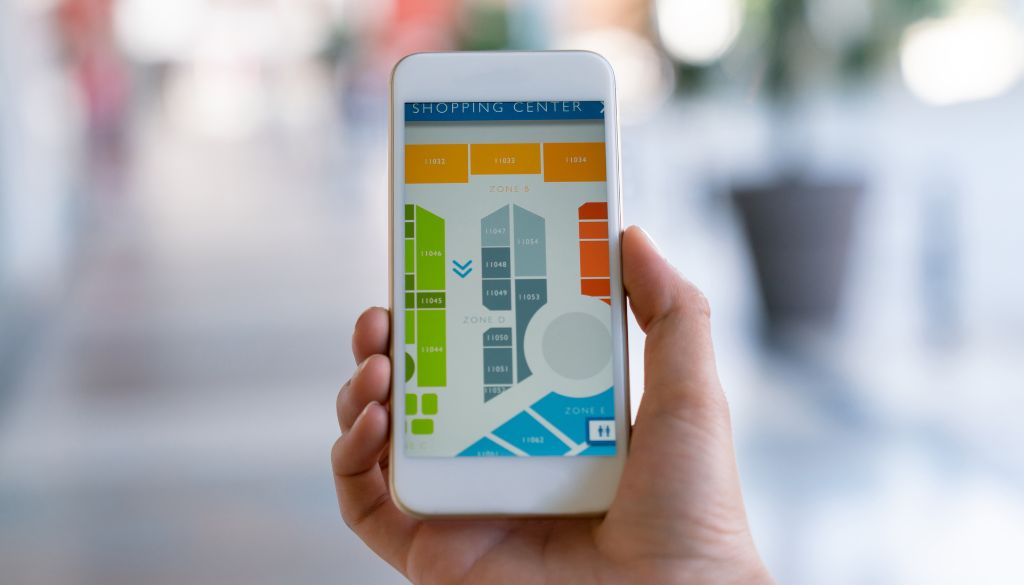
During an event at a shopping center, beacons can send notifications with information about attendees, special offers or a map of the event. - Museums and tourist attractions
A museum can use beacons or QR codes to provide additional information about artworks or create a personalized interactive tour for visitors.
Success stories in proximity marketing
Let us now look at some real case studies of companies that have successfully implemented proximity marketing:
- McDonald‘s
In Norway, McDonald’s used beacons to send special offers to customers in the vicinity of a restaurant. This strategy led to a significant increase in on-premises traffic and sales. - Carrefour
The supermarket chain Carrefour implemented geofencing to send push notifications to customers who were near stores. The notifications included personalized promotions based on customer preferences, improving the shopping experience and increasing sales. - Sephora
Sephora leveraged geofencing to send push notifications to customers in the vicinity of a store. The notifications included exclusive offers and personalized shopping recommendations, increasing store traffic and conversion rates.
The benefits of proximity marketing
Proximity marketing offers many advantages:
- Personalization: Messages are relevant to the potential customer, increasing engagement.
- Increased sales: Offers sent in real time can incentivize immediate purchases.
- Improved customer experience: Providing useful information creates a stronger relationship with the customer.
- Traceability: The technologies used enable the collection of valuable data on customer behavior.
- Low cost: Compared to other forms of marketing, proximity marketing is affordable and scalable.
How to get started with a proximity marketing strategy
If you want to implement a proximity marketing strategy, follow these steps:
- Define your goal: Do you want to increase sales, improve the customer experience, or promote an event?
- Choose the right technology: Consider whether to use beacons, geofencing, Wi-Fi or a combination of these technologies.
- Create relevant messages: Make sure your messages are useful and of value to your potential customer.
- Respect privacy: Always get consent, complying with regulations such as the GDPR.
- Monitor results: Use analytical tools to measure the success of your strategy and optimize campaigns.
Proximity Marketing and Factory Communication
Proximity marketing is a unique opportunity for companies that want to improve communication with their customers and increase sales in real time.
Thanks to new technologies, you can reach your potential customers at the most relevant times, offering them a personalized and unique experience.
Don’t settle for the usual professional Newsletter Sending, find out how a proximity marketing strategy can transform your business!
Contact us today for a free consultation and start leveraging the full potential of proximity marketing!