



In recent years, sustainable marketing has become a central theme for many companies, regardless of industry or size.
If you are a business owner, you have probably realized that customers no longer value only price or quality, but also the values that a brand represents.
Sustainable marketing meets this very need: to create economic value without losing sight of social and environmental impact.
Taking this approach means taking real social responsibility. It is not about communicating what “sounds good,” but about telling about real, verifiable choices. This is where sustainable communication becomes key to building trust and avoiding greenwashing.
Let’s face it, if all it took was a little leaf in the logo to say you had adopted sustainable practices, the planet would already be saved…saying you are sustainable is easy, being really sustainable takes a little more work.
Greenwashing what is
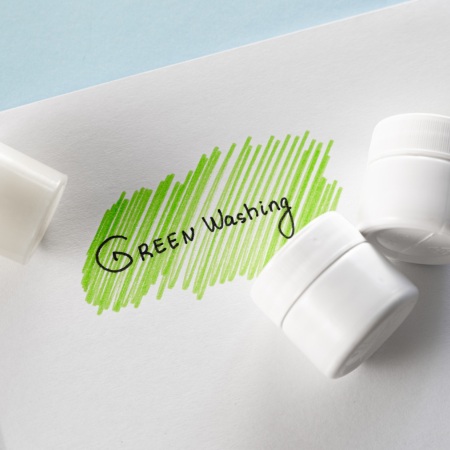
Greenwashing (or “environmental window dressing”) is a deceptive marketing strategy used by companies to build a positive green image for themselves while hiding the negative environmental impact of their activities.
This deception creates the illusion of sustainability through vague slogans (“eco-friendly,” “natural”) and false certifications.
Sustainability as part of business strategy
To really work, sustainable marketing must originate from within the company. It cannot simply be a front operation or an isolated campaign.
Integrating sustainability into the business model means reviewing processes, goals and relationships, putting environmental responsibility at the center.
Entrepreneurs who adopt this view find that sustainable marketing strengthens brand positioning and improves reputation over time.
When strategy and values are aligned, communication is also more credible and consistent.
Products and services consistent with stated values
One of the most concrete aspects of sustainable marketing concerns what the company offers. The products or services must be consistent with the messages communicated.
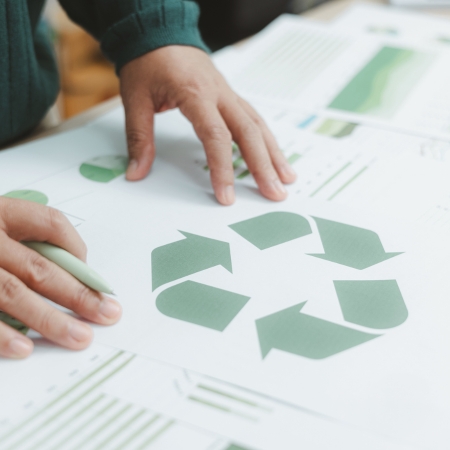
More and more companies are choosing to develop products with the entire life cycle in mind, from production to disposal.
Using recyclable materials, reducing waste and optimizing resources are actions to reduce environmental impact.
When these choices are real, sustainable marketing becomes a natural consequence, not a communication forcing.
The role of sustainable communication
Sustainable marketing cannot exist without clear and transparent sustainable communication.
Communicating sustainability does not mean exaggerating results, but explaining what is being done, why, and with what future goals.
Communicating sustainability in an authentic way is the effective way to build trust.
Entrepreneurs who focus on sustainable communication based on data, concrete examples and continuous improvement succeed in distinguishing themselves from those who use sustainability only as a promotional lever.
Engaging customers and stakeholders
Another key element of sustainable marketing is the involvement of people. Customers, suppliers, and employees want to feel part of a credible project.
Telling about the company’s sustainable practices helps promote responsible consumption and strengthens the relationship with the brand.
When communication is consistent, sustainable marketing helps to increase the environmental awareness of the public.
This ongoing dialogue fosters trust and turns customers into active supporters of the company.
Competitiveness and long-term vision
Many entrepreneurs fear that investing in sustainable marketing means increasing costs or slowing growth.
In fact, companies that take this approach are often more resilient and better prepared to deal with market changes.
Climate change, new regulations and consumer expectations are redefining the rules of business.
In this scenario, sustainable marketing becomes a strategic lever to reduce reputational risks and build lasting competitive advantage.
Avoiding greenwashing
One of the biggest risks is talking about sustainability without a solid foundation. Greenwashing can seriously damage a company’s credibility.
To avoid this, it is essential that sustainable marketing is always supported by concrete and measurable actions.
Honest sustainable communication, which also admits the limitations and challenges that remain, is often more effective than overly optimistic messages.
Consistency, over time, is what makes sustainable marketing credible.
An investment for the future of the enterprise
Looking at the long term, sustainable marketing is a strategic investment.
It not only improves brand image, but also helps build a more solid and responsible business model.
Through consistent sustainable communication, the company succeeds in conveying authentic values and creating lasting trust.
For an entrepreneur, choosing sustainable marketing means creating value today without compromising tomorrow, for the company, for people and for the environment.
The path from declaration to action
Many entrepreneurs start talking about sustainability from communication, but the real value comes when a concrete and progressive sustainability path is built.
Moving toward sustainability does not mean changing everything overnight, but setting realistic goals and improving step by step.
This path may include reviewing suppliers, optimizing consumption or paying more attention to production processes.
When the company is clear about where it is and where it wants to go, it becomes much easier to tell the outside world about it.
Customers do not expect perfection, but they appreciate consistency and a willingness to improve over time.
A concrete example of a sustainable product
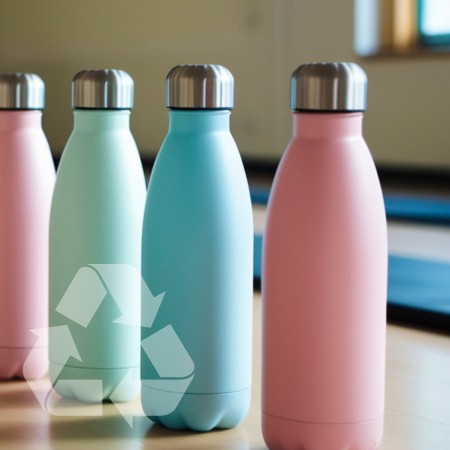
Imagine a company that produces reusable water bottles for offices and businesses. The product was created to reduce the use of plastic bottles and cut down co2 emissions related to transportation and disposal.
The company chooses durable materials, designs minimal packaging, and reviews production processes to consume less energy.
In this case, marketing does not invent anything: it tells the product for what it is, transparently explaining what problems it solves and what benefits it brings.
This approach is effective in communicating real value because the message is supported by concrete and easily understood choices.
How to communicate results without losing credibility
One of the most sensitive aspects concerns how you tell the story of your achievements. Communicating effectively means using clear data, practical examples, and simple language.
Saying “we have reduced co2 emissions by 20% in two years” is much more credible than using general statements.
This approach also helps strengthen corporate reputation because it shows seriousness and attention to detail.
Honest communication, which also explains what remains to be improved, is perceived as more authentic and trustworthy.
The role of the new generation
An issue often underestimated by entrepreneurs is the impact of sustainability on the younger generation.
Generation z, in particular, is very attentive to the values of brands and their consistency. They do not just buy a product, but observe the behavior of the company as a whole.
Therefore, communication built transparently and consistently throughout the sustainability journey is critical.
New generations easily recognize forced messages and instead reward companies that demonstrate real and ongoing commitment.
Sustainability as a relationship lever, not just a sales lever
Finally, it is important to remember that sustainability communication is not just about selling more. If told well, it becomes a relationship tool.
Explaining how the company is moving toward sustainability by engaging customers and partners creates a sense of participation and trust.
This type of approach is often the most effective in communicating authentic values and building long-term relationships.
When marketing supports real engagement, sustainability stops being a message and becomes an integral part of corporate identity.
Do you want to turn sustainability into real value for your business?
Our agency helps you build an authentic, credible and tailored sustainable marketing and communication strategy for your company. Contact us and let’s start a concrete, greenwashing-free journey together.
Read also: