

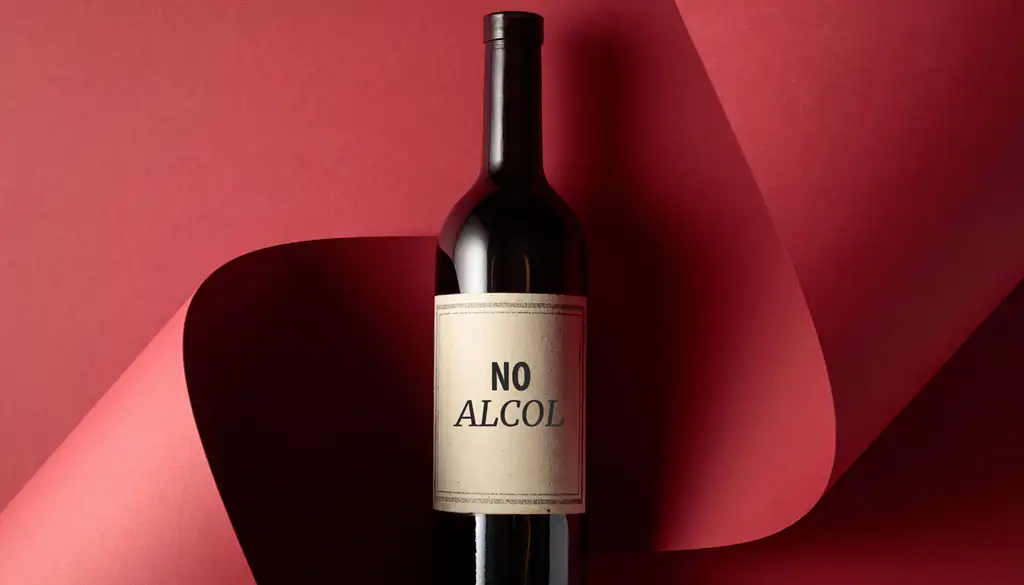
A new generation of consumers is redefining conviviality. It is time for Food & Beverage SMEs to listen, reposition and invest.
Over the past three decades, entire agricultural areas on the Lombard and Veronese shores of Lake Garda have been converted to vineyards.
Lugana, Bardolino, and Valtenesi have transformed cornfields, olive groves, and orchards into neat rows that now shape the landscape.
An economically lucid choice, supported by a steadily growing worldwide demand for Italian wine for decades. Yet today something is moving, and moving fast.
The consumer is changing. He is not stopping drinking, he is changing the way he drinks.
Chooses fewer bargains, higher quality, refined nonalcoholic alternatives.
For Italian Food & Beverage entrepreneurs, this transformation opens a concrete question: how do you speak to a public that does not give up taste and conviviality, yet demands zero-alcohol or low-alcohol products?
No alcohol (or more frequently “No/Low Alcohol,” “Alcohol-Free,” or “Non-alcoholic”) marketing is the strategic response to this new market demand.
The numbers of the sobriety economy: what the data say
Setting a strategy requires data, not feelings. The picture emerging from industry observers is clear: we are facing a structural transformation, not a passing fad.
European and Italian markets growing in double digits
- The European no-low alcohol market is worth €1.7 billion and ended 2025 with 10 percent growth over the previous year(source Circana).
- Italian non-alcoholic wine sales increased by 31.3 percent between 2022 and 2025, spirits by 31.1 percent, and non-alcoholic beer by 9.5 percent.
- In the three main export markets (Germany, UK, US), no-low wines generated €1.2 billion in distribution, equivalent to 160 million bottles.
- Italian production of dealcoholized wine is projected to grow by 90% in 2026, according to the UIV-Vinitaly Observatory, with Veneto serving as the main hub.
Source: https://www.vinetur.com/it/2026042099279/italys-dealcoholized-wine-output-is-set-to-surge.html
The Italian consumer has already changed
Circana data from the November-December 2025 bimonthly period tell a different kind of drinking Italy. 42% of Italians consume alcoholic beverages only on special occasions.
Nearly 90 percent report responsible behavior, especially when driving or performing activities that require alertness.
However, alcohol consumption outside meals reached 17.8 million Italians in 2024, a sign that social conviviality remains central: what changes is what you drink at those times, not whether you go out.
Horeca beverage sales in the first six months of 2025 touched 2.3 billion euros, up 39 percent over 2019. People drink less, yet spend more: they choose quality and premium.
The three tribes of conscious consumption
Building communication that works requires knowing who is speaking. The no-low alcohol audience is not a single block: it consists of at least three distinct profiles, each with its own motivations and languages.
1. I sober-curious
These are people who still drink, yet consciously explore sobriety as a wellness choice.
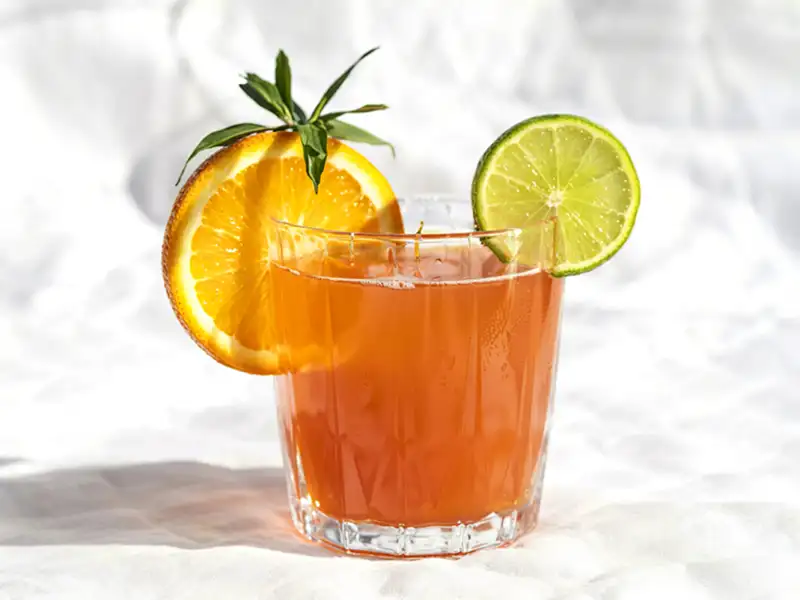
They seek sensory quality, taste experiences, social rituals. The mocktail for them is a gastronomic creation, not an afterthought.
Gen Z leads this tribe: 31 percent of those born after 1997 are open to zero-proof wines, 47 percent of Millennials to low-alcohol.
2. Zebra-striper
They are 47 percent of consumers in European bars and restaurants. They alternate between an alcoholic cocktail and a mocktail in the same evening, maintaining lucidity and participation.
For them, no-alcohol marketing works when the nonalcoholic product is on par with its alcoholic counterpart in terms of quality of service, presentation, and perceived price.
3. Practical managers
They are driven by concrete reasons: driving, health, work, pregnancy, religion, drug treatment.
Fifty percent of those who choose dealcolate drinks do so for driving, a percentage that rises to 56 percent among Gen Z. For them, the no-alcohol offering is a response to a real need: they want a decent product, not a concession.
Five no alcohol marketing strategies for the Food & Beverage trend 2026
Translating data into strategy means taking action on product, communication and channel with consistency. Here are five concrete directions that SMBs in the industry can incorporate into their marketing plan.
Strategy 1: Integrate the no-low into the drink list, rather than separating it out
Top European restaurants are abandoning the “non-alcoholic” section relegated to the bottom of the menu.
Zero-proof offerings enter the main drink list, with the same graphic care, the same photographic space, the same storytelling as traditional cocktails.
For a wine shop, a local trattoria, a starred restaurant, the message is the same: the customer ordering a mocktail deserves the same aesthetic and relational experience as the one ordering a Negroni.
Strategy 2: Tell about the product, not the absence
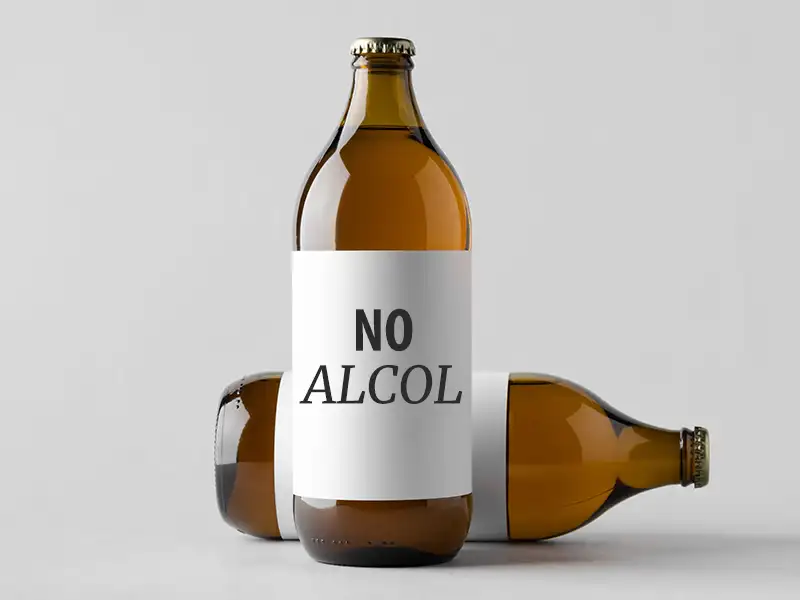
One of the most common pitfalls of no alcohol marketing is to communicate what the product does not contain. “No alcohol” is a deprivation.
Instead, effective communication tells what the product offers: natural ingredients, artisanal processes, flavor profiles, consumption occasions.
A non-alcoholic Italian craft beer is a product of hops, malts and fermentation, not the absence of ethanol.
Strategy 3: Position quality above price
Twenty-five percent of potential consumers cite taste as the main brake on dealcoholic wine consumption.
For Italian SMEs, this is where the game is played: invest in top-notch dealcolation technologies (reverse osmosis, vacuum distillation) and communicate the process as carefully as you tell about a grape harvest.
Three pathfinder wineries such as Argea, Mionetto, and Zonin are charting the way and proving that the category can break out of the niche of cheap alternatives.
Strategy 4: Preside over the aperitif, a symbolic moment of transformation
Drink mentions on Tinder dropped 16.5 percent, while breakfast mentions rose 4.5 percent.
Sociality moves into new time slots and with new codes.
Brunch, late afternoon, after-dinner recreated without alcohol are opportunities that restaurants, hotel bars, and cocktail bars can preside over first in their territories.
“Zebra striping” applied to happy hour can double the average receipt instead of reducing it because customers stay longer and order diverse products.
Strategy 5: Communicate the identity of the area even in the dealcolate
The main fear of Italian wine producers is the loss of identity: is a dealcolored Lugana still a Lugana?
The strategic answer is to enhance the grape variety, the territory, the method.
European regulations also allow IGT, DOC and DOCG labels for dealcolated wines, however, Italian law has yet to comply.
Meanwhile, SMEs can work on storytelling: the origin of the base wine, the hand of the producer, the short supply chain.
A dealcolato without territory is a soft drink. A dealcolato with territory is a new category of Italian wine in the world.
A nod to luxury: no alcohol as the new status code
In the Fashion & Luxury segment, no alcohol marketing takes on even more interesting contours.
Five-star hotels, private clubs, and starred restaurants have discovered that the high-end mocktail is now an aspirational language: the high-spirited customer who chooses zero-proof communicates control, self-care, lucidity.
The same Ministry of Sound club in London has launched sober raves with dedicated menus.
Luxury Italian beverage brands are developing 0.0 lines aimed at clientele demanding refinement without alcohol. The sobriety economy becomes, in luxury, a new code of social distinction.
The ethical approach: beyond marketing, a positioning choice
For Factory Communication, non-alcohol marketing is not a tactic: it is consistent with a vision of business in which the brand dialogues with the consumer while respecting their health choices, habits and lifestyle.
Promoting quality non-alcoholic beverages means broadening conviviality, including those who drive, those who are pregnant, those undergoing therapies, and those who simply choose otherwise.
It also means, for the producer, building a long-term relationship with the customer, rather than pushing consumption that leaves its mark the next day.
In this framework, ethical AI becomes a concrete support tool: it helps read consumption data, personalize communications, build dynamic menus and drink lists, and measure the return on new references.
Technology frees people from repetitive tasks and allows marketing teams to focus on the most important part of the job: listening to the customer and telling them about the product.
Seven questions to guide the entrepreneur’s thinking
Over the past 30 years, entire areas of Garda have been transformed from agricultural to wine-growing.
The demand for wine seemed unstoppable, and that choice was rational.
Today the picture is rapidly reconfiguring. It is time for an Italian food and beverage entrepreneur to ask himself some questions before the market answers them for him.
- 1. If in the next five years the consumption of still wine continues to decline by 12 percent as it already has between 2019 and 2024, is my company prepared in terms of production, marketing and communication?
- 2. Do my wine list, my drink list, my shelving propose no-low alcohol alternatives as carefully as I do traditional products, or have I confined them to a marginal section?
- 3. Does my brand tell what it offers or just state what it does not contain?
- 4. Do I know the composition of the three tribes of alcohol-conscious consumption in my area and target audience, or am I communicating to an average consumer that no longer exists?
- 5. If I were to convert a production line to high-quality dealcolate, what technical expertise, investment, and territory narrative would I need to build?
- 6. Am I presiding over new drinking occasions (brunch, late afternoon, sober rave, non-alcoholic after-dinner) or continuing to communicate only the classic aperitif?
- 7. Does my tone of voice speak to the person who chooses not to drink as a valued customer or even implicitly treat them as an exception?
The question is no longer whether no alcohol marketing will enter the strategies of the industry.
It is to what extent, with what quality, and with what consistency of identity.
A transformation, not a renunciation
The sobriety economy is not asking the Food & Beverage sector to give up its history. It is asking it to expand it.
Italian wine remains a unique cultural and productive heritage, yet today it coexists with a consumer who demands choice, quality, and respect.
SMEs that figure it out first will be able to preside over a market that is now worth 1.7 billion in Europe and growing in double digits each year.
Those who wait will find the shelves, wine lists, and consumers’ minds already occupied by those who moved first.
How prepared is your brand for the transformation of drinking?
The seven questions at the end of the article are a first step.
Building a comprehensive strategic response requires market data, analysis of competitors in your territory, and a communication plan consistent with your identity.
Factory Communication designs positioning paths for Italian Food & Beverage SMEs.
Marketing strategies for Food & Beverage: related articles
- Competitor analysis in the Food & Beverage industry in 5 steps
- Influencer marketing for restaurants: how to choose the right strategy (and the right agency)
- Brand Positioning: an important requirement for every company
- Ideas for attracting customers to a restaurant
- Description of menu dishes: you have to give value to your Product
- Local SEO for Restaurants. Grow your business!