


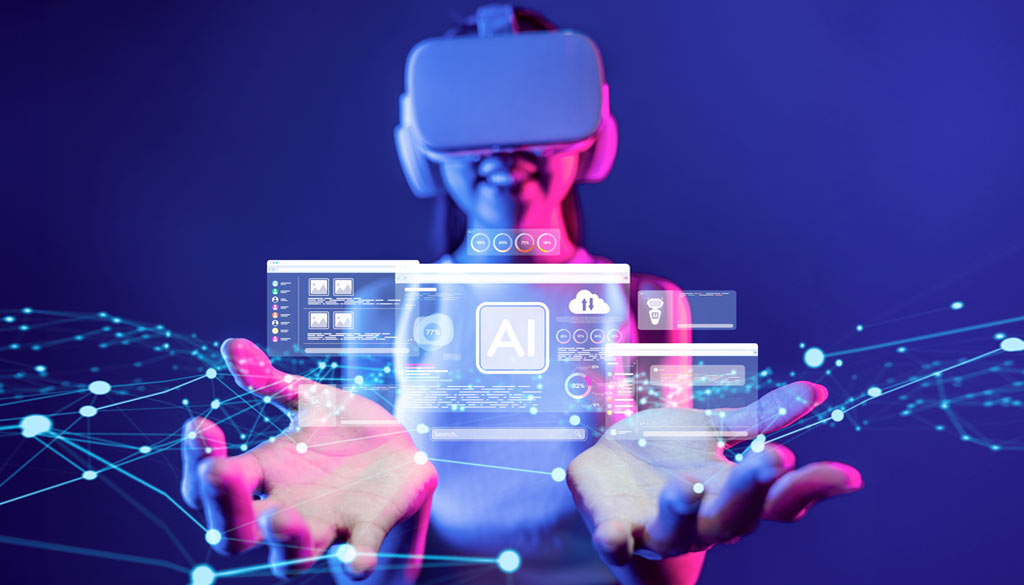
The metaverse is revolutionizing the way companies interact with their customers, opening new frontiers for marketing and communication. But what does the term “metaverse” really mean?
More importantly, what opportunities and challenges does it represent for businesses? In this article we will explore the relationship between metaverse and marketing, analyzing how companies can leverage this technology to increase their visibility and improve customer interaction.
What is the metaverse?
Before delving into the topic of marketing in the metaverse, it is important to understand what the metaverse is.
The metaverse is a three-dimensional, persistent and interactive virtual space that can be accessed via the Internet through devices such as virtual reality (VR) viewers, augmented reality (AR), or even smartphones and PCs.
This digital world allows users to have immersive experiences: participate in virtual events, purchase digital goods, interact with other people, and, especially from a business perspective, connect with brands and products in ways never seen before.
In other words, the metaverse represents the evolution of Digital Experiences, transforming the way companies interact with customers through immersive, personalized, and engaging experiences that unite the digital and physical worlds to redefine marketing strategies.
Why is the metaverse important for marketing?
The metaverse and marketing are bound to become increasingly intertwined. Why? Because the metaverse represents a space where users are spending more and more time, interacting in innovative and immersive ways. This makes it an ideal place for companies that want to:
- Reaching out to new customers
- Building a stronger and more memorable brand
- Creating personalized and engaging experiences
According to a recent study, 71 percent of consumers expect brands to create experiences in the metaverse within the next five years. Ignoring this trend means missing out on an important slice of the future market.
The metaverse and new technologies are creating virtual worlds in which brands can build virtual stores, offering innovative experiences that combine real and digital life, demonstrating how the metaverse can be used to revolutionize the way customers interact with them.
Marketing opportunities in the metaverse
1. Immersive brand experience
In the metaverse, marketing is not limited to banner ads or static videos. Companies can create memorable and interactive experiences, such as:
- Virtual showrooms where customers can “try on” products.
- Exclusive events, such as concerts or product launches.
- Customized games that directly engage the audience.
These experiences not only increase engagement, but also improve brand recall.
2. New monetization opportunities
Marketing in the metaverse opens up new revenue opportunities. Companies can sell digital goods, such as virtual avatar outfits, NFTs (Non-Fungible Tokens) or exclusive services. For example, some fashion brands have already started selling virtual collections, with surprising success.
3. Access to a global audience
In the metaverse, geographic boundaries do not exist. Companies can reach users all over the world, creating global marketing campaigns that break traditional barriers.
4. Advanced data and analysis
The metaverse enables the collection of detailed data on user behavior, providing valuable insights for creating more effective and personalized marketing strategies.
Marketing challenges in the metaverse
Despite the opportunities, there are also some challenges that companies face when approaching marketing in the metaverse.
1. Access and development costs
Creating immersive, high-quality experiences in the metaverse can be expensive. Companies must invest in technology, development, and creative resources to stand out in an increasingly competitive market.
2. Education of the public
Not all users are yet ready to interact in the metaverse. For some age groups or audience types, the very concept of the metaverse may be new and complex.
3. Regulations and privacy
As in any digital space, the metaverse raises issues related to privacy and data protection. Companies must be transparent and comply with regulations to avoid damaging their reputations.
4. Adaptability of brands
Not all brands are ready to translate their identity and values into a virtual context. Finding the right balance between authenticity and innovation is critical to avoid coming across as forced or out of context.
How to get started with marketing in the metaverse
If you are an entrepreneur interested in entering the metaverse, here are some basic steps to get started:
1. Study your audience
Not all market segments are ready for the metaverse. Analyze your target audience and see if your current or potential customers are already active in this space.
2. Choose the right platform
There are many platforms in the metaverse, such as Decentraland, Roblox, or Meta’s Horizon Worlds. Choose the one that best suits your industry and audience.
3. Create engaging experiences
Don’t just replicate your Web site or physical store: leverage the possibilities of the metaverse to create unique and immersive experiences.
4. Collaborate with experts
Marketing in the metaverse requires specific skills. Partner with agencies or professionals who know this area for best results.
Case studies: examples of success in marketing and metaverse
Gucci Garden
Gucci created a virtual experience on Roblox, the Gucci Garden, where users could explore spaces inspired by the brand’s collections and purchase exclusive virtual items. The event had a huge impact on visibility and sales, demonstrating the potential of marketing in the metaverse.
Nike and Nikeland
Nike launched Nikeland, a virtual space on Roblox where users can play games, socialize, and purchase virtual products. This project allowed Nike to connect with a young, tech-savvy audience.
Coca-Cola
Coca-Cola experimented with the metaverse by launching exclusive NFTs and organizing virtual events to engage fans. These initiatives have enhanced the brand’s positioning as innovative and in step with the times.
Balenciaga and Fortnite
Balenciaga has partnered with Fortnite to introduce a virtual avatar clothing line. This kind of partnership has not only increased the brand’s visibility among young people, but also opened up new avenues for digital marketing.
Hyundai Mobility Adventure
Hyundai has created a virtual experience on Roblox called Hyundai Mobility Adventure. In this space, users can explore the brand’s vehicles and enjoy interactive experiences related to sustainable mobility.
Samsung 837X
Samsung has launched a virtual experience in the Decentraland metaverse called Samsung 837X. This digital space allows users to explore the brand’s world, participate in events, and discover products in a futuristic virtual environment.
The future of marketing in the metaverse
Technology is advancing at an impressive pace, profoundly transforming the way we live and work. From the arrival of the Internet to the first smartphones to the widespread spread of social media, our lives are increasingly online.
Today, innovative tools such as Google AI Mode are revolutionizing the digital landscape, making it easier and more intuitive to analyze data and optimize business strategies.
In parallel, many companies find themselves having to choose between Open a site to sell online VS Physical point of sale, two approaches that meet different but complementary needs. In this scenario, staying up-to-date on new technological tools and the best sales strategies is crucial to avoid losing competitiveness.
The relationship between metaverse and marketing is only just beginning, but the potential is enormous. As technology evolves, the tools available to companies will become increasingly powerful and accessible, opening up new opportunities for those willing to innovate.
Companies that embrace the metaverse will not only gain a competitive advantage, but also build a deeper and more authentic relationship with their customers.
Conclusion: rely on Factory Communication for your marketing in the metaverse
Are you ready to take your company into the future? Don’t miss your chance to be a marketing pioneer in the metaverse.
Rely on Factory Communication, the agency specializing in digital and metaverse marketing strategies. We will help you create innovative, engaging and tailored experiences for your brand, guaranteeing concrete and measurable results.
Metaverse and AI marketing Related articles
- Google Deep Thinking Ratio: what changes for Italian SMEs in the next 3 years
- How AI crawlers are changing the rules of the game for online sellers
- Artificial intelligence applied to marketing in 2026
- Human-First Marketing: what is your Brand’s strategy?
- SEO and artificial intelligence: how are they connected?
- Predictive marketing: how to anticipate your customers’ needs with data
- 4 ways to use AI in your marketing strategy
- Machine Learning vs Artificial Intelligence
- Google VEO video generator: amaze your customers