


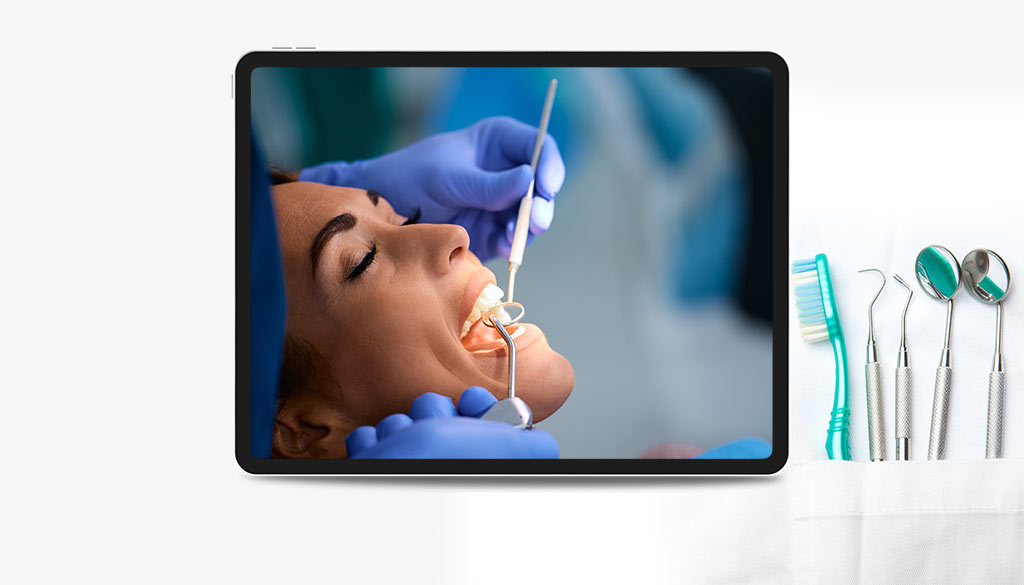
In today’s digital landscape, SEO strategy for dentists is one of the most powerful tools for increasing a dental practice’s visibility and attracting new patients.
But how does SEO really work for a dental practice and what strategies are most effective in intercepting different patient needs?
In this in-depth guide, we look at best practices and advanced techniques for ranking your practice among the top Google results, specifically targeting you, the business owner or dental practice owner, who wants to invest in solid, lasting growth.
SEO: a medium- to long-term strategy
SEO (Search Engine Optimization) is a set of technical and strategic activities aimed at improving website ranking in the organic results of search engines, such as Google.
A differenza delle campagne pubblicitarie a pagamento, la SEO non genera risultati immediati, ma si basa su un lavoro costante di ottimizzazione per i motori di ricerca che porta benefici nel medio-lungo periodo.
Once the top positions are reached, the dental practice site can enjoy stable visibility and a steady flow of potential patients without having to continuously invest in advertising.
Two types of patients: urgency vs. information
Patients seeking an online dental practice can be divided into two broad categories:
- Patients with urgency: they have sudden pain (e.g., severe toothache) and seek an immediate solution.
- Informed patients: they are considering more challenging surgeries (such as implantology, orthodontics, and cosmetic dentistry) and are inquiring online before choosing whom to trust.
SEO and patients with urgency
For those with an urgency, speed is everything: these patients often click on the first results Google comes up with, relying on those who appear most visible and authoritative.
Although SEO is not the fastest lever to intercept those searching for “urgent dentist near me,” being among the top results lends credibility and trust: sufferers tend to choose the practice that Google ranks best, perceiving it as more trustworthy.
SEO and informed patients
SEO strategy for dentists is especially effective for the second group: those who inquire before making a decision. These users conduct in-depth research on treatments, costs, techniques, and reviews.
Intercepting them with optimized content means building trust even before the first contact, increasing the likelihood of conversion to patient.
The basics of an SEO strategy for dentists
To achieve real results, SEO for dentists must be structured on several levels:
1. Keyword analysis and research
Choosing keywords (keywords) is the first step in a winning strategy. One must identify the terms that potential patients type into Google, distinguishing between:
- Local keywords: “dentist Milan”, “dentist office Rome center”
- Trade keywords: “teeth whitening prices,” “pain-free dental implants”
- Information keywords: “how to prevent tooth decay”, “difference between devitalization and extraction”
- Long-tail keywords: more specific and less competitive, but highly qualified phrases, e.g., “how much does clear braces cost in Milan”
Using local and long-tail keywords allows you to intercept truly interested users and increase conversions.
2. On-page optimization
On-page optimization covers all activities performed directly on the site:
- Title tag and meta description: should contain the main keyword and entice the click
- Content structure: each page should focus on a specific topic, with clear titles and subtitles (H1, H2, H3)
- Original and valuable texts: Google rewards useful, insightful and well-written content. Answer patients’ frequently asked questions, explain treatments, and recount success stories
- Image optimization: use quality images, with descriptive alt tags and relevant file names
- Schema markup: implements structured data to help Google better understand the services it offers
3. Local SEO: the key for dental practices.
Local search is critical for dental practices, as most patients look for a practitioner close to home or work. The most relevant actions are:
- Google My Business tab optimization: include accurate information, photos, hours and respond to reviews
- Presence on local directories: ensure that name, address, and phone (NAP) are consistent across all portals
- Creating localized content: articles that talk about events, initiatives, or clinical cases in your city
Being visible in searches for “dentist + city” or “dental office near me” exponentially increases your chances of being in the top positions on Google, beating your competitors’ other websites and acquiring more patients.
4. Link building and authority
Backlinks (links from other sites to yours) are a major ranking factor for Google.
For a dental practice, getting links from authoritative health industry sites, local portals, or trade associations increases its authority and improves ranking.
Beware of quality, however: links from unreliable sites can penalize visibility.
5. Quality content and blogging
An up-to-date blog with informative articles on treatments, prevention, and industry news is a powerful tool for attracting users and retaining patients.
Each piece of content must answer a specific question, use keywords naturally, and offer real value to the reader.
Videos, infographics and testimonials further increase engagement.
6. User experience and site speed
A slow or difficult-to-navigate site drives potential patients away. Bottom line:
- Optimize page loading speed
- Ensure mobile compatibility (responsive design)
- Making contact easy (form, phone, WhatsApp)
- Provide intuitive navigation between services, staff, and contacts
7. Monitoring and analysis of results
SEO is an ongoing process: constantly analyzing traffic, keyword rankings, and user behavior using tools such as Google Analytics and Google Search Console.
Only then can you course-correct and improve over time.
Advanced SEO strategies for dentists
To stand out from the competition and consolidate your online presence, it is useful to implement advanced strategies:
- Online reviews and reputation: incentivize satisfied patients to leave positive reviews on Google and industry portals. Reviews increase trust and improve local rankings.
- Video marketing: create short videos that explain treatments or introduce staff. Videos increase site retention and improve SEO.
- Social media and sharing: promote site content on social networks to increase visibility and gain natural backlinks.
- CRM and automation: integrates a CRM system to manage contacts and inquiries from the site, improving visitor-to-patient conversion.
Mistakes to avoid in SEO strategy for dentists
- Duplicate content: each page must be unique and original.
- Keyword stuffing: avoid obsessive repetition of keywords, Google penalizes this practice.
- Neglecting technical SEO: code errors, broken links, and security issues can undermine rankings.
- Don’t update the site: a static site loses positions over time. Update content, images, and contact information regularly.
Practical examples of success
Many dental practices that have invested in a structured dental SEO strategy have seen:
- An increase in qualified organic traffic
- An increase in appointment requests through the
- Increased trust from patients, thanks to a consistent presence in the top positions of Google
Conclusion: SEO as an investment for dental practice growth
Investing in an SEO strategy for dentists means focusing on solid and lasting growth.
SEO not only enables new patient acquisition, but also strengthens the practice’s reputation, increases trust and positions the brand as a landmark in the area.
In an increasingly competitive market, being visible online is no longer an option, but a necessity.
Relying on experienced professionals in SEO for dentists allows you to achieve concrete, measurable results that align with your business goals. Remember: SEO is a marathon, not a sprint.
Results come with time, but they are meant to last and grow your practice steadily and sustainably.