Pizzkotto, Food Influencer
Case Study

Pizzikotto
Bologna · Verona · Lecco

Food Micro-Influencers for High-Impact Local Promotion
Pizzikotto

Client Introduction

Pizzikotto is an Italian pizza chain with numerous locations throughout the country.

The brand stands out for its high-quality food offerings, a warm and well-appointed atmosphere, and a focus on families, couples, and food lovers seeking an authentic and genuine experience.

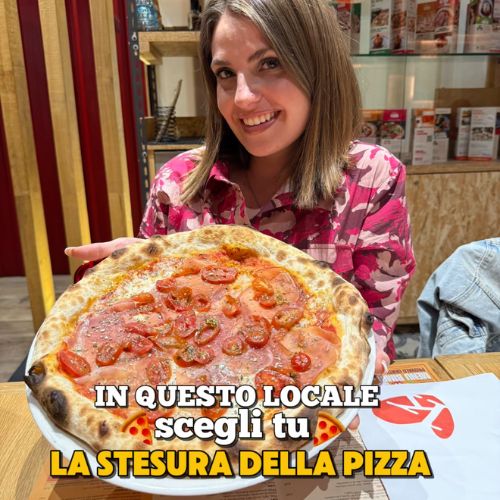
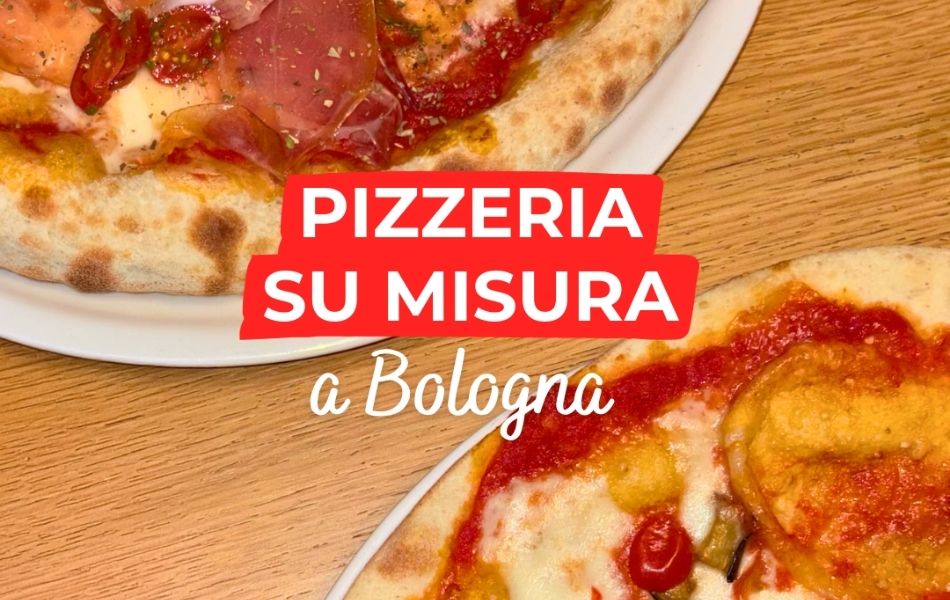
The brand’s most distinctive feature is the ability—unique in the commercial restaurant industry—to choose the thickness of your pizza crust: thick, thin, or medium.

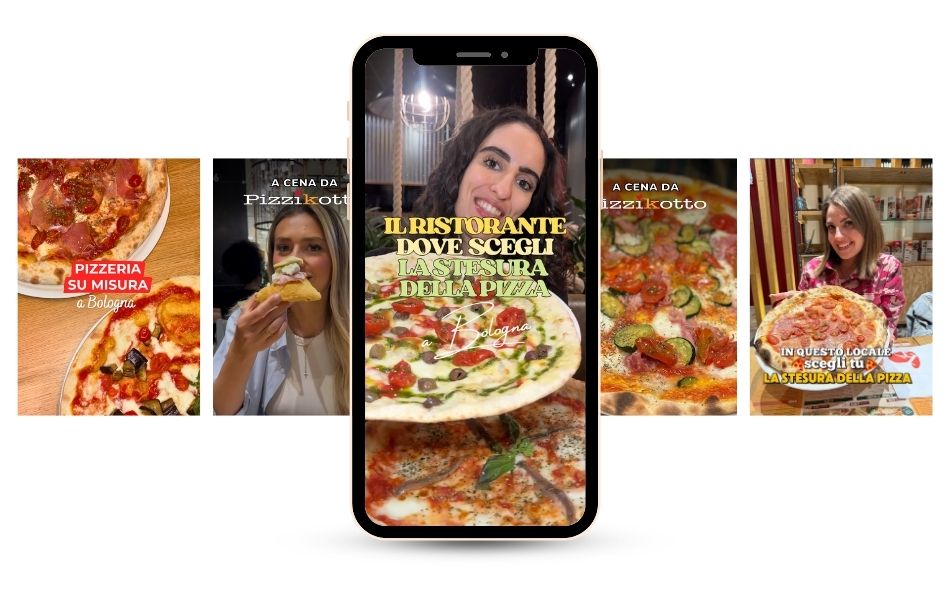
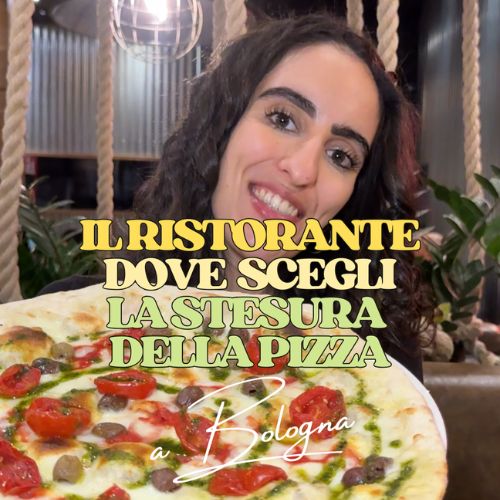
A distinctive element that is reflected in the campaign’s key message—“The restaurant where you choose how your pizza is made”—and that becomes the narrative centerpiece of all influencer communications.

Pizzikotto has always favored Italian suppliers—almost all of whom are organic—supporting small and medium-sized local farms and using certified ingredients that have been carefully selected over the years.

The menu features a variety of pizzas, artisanal desserts, options for specific dietary needs (lactose-free mozzarella, vegan cream sauce), a lunch menu available Monday through Friday, and a kids’ menu that comes with a small gift.

The campaign involves three retail locations: Bologna, Verona, and Lecco, with the goal of generating targeted local visibility and in-store traffic in each of the three geographic areas.
Pizzkotto, Food Influencer

Problem and initial challenge

Pizzikotto faced a twofold challenge, one shared by many high-quality restaurant brands operating in a competitive market:

  • Standing out in a crowded market: effectively communicating the unique aspect of our dough-making process and the certified quality of our ingredients, in a landscape where the overload of food-related promotional messages makes it difficult to stand out and be remembered.
  • Reach the local target audience in three different geographic areas: adults and young people between the ages of 25 and 55 living in Bologna, Verona, and Lecco who are passionate about food and seeking out culinary experiences in their cities, thereby driving in-store traffic tailored to each location.

In a context where the authenticity of the story and the local connection of the voice are key factors in choosing a restaurant, it was necessary to engage creators capable of speaking with credibility and relevance to local communities, creating content that not only informed but also inspired a visit.

Case Study

Marketing goals

The objectives defined together with Factory Communication were on three main levels:

  • Brand awareness and local positioning: Strengthen the perception of Pizzikotto as the go-to pizzeria for food lovers in the Bologna, Verona, and Lecco areas, highlighting the quality of its ingredients, the uniqueness of its offerings (the way the dough is rolled out), and the restaurant’s welcoming atmosphere.
  • Drive-to-store and product awareness: spark interest in the menu and invite the community to visit the restaurant to experience it firsthand, with calls to action focused on making reservations and exploring the restaurant.
  • Creating an authentic and comprehensive narrative: telling the brand’s story through a unique and structured video asset—the Reel—capable of conveying all key messages: the brand’s history, the quality of the ingredients, the variety of the menu, the option to customize orders, current promotions, and the restaurant’s location.

The KPIs defined for measurement included: Coverage and Watch Time (brand awareness), Saves (interest and purchase intent), and % of Viewers by Age (alignment with the target audience).
Pizzkotto, Food Influencer
Case Study

Influencer Marketing Strategy

Factory Communication designed a multi-location influencer marketing campaign, engaging local creators specializing in specific niches in each of the three target geographic areas, with the goal of fostering authentic connections between the brand, the local community, and the local food-loving audience.

The pillars of the strategy:

  • Selection of local creators for each city. Five micro-influencers were hired, each a native of or resident in the target city or surrounding area (Bologna, Verona, Lecco), ensuring geographic proximity, credibility, and relevance of the message to the local community. The profiles fall into the Foodie, Lifestyle, and Food Discovery categories.
  • Verticality and editorial consistency. Each creator was selected for their expertise in covering local food and lifestyle stories. The content was designed to blend seamlessly into the natural narrative flow of each profile, preserving each creator’s spontaneous and engaging tone of voice while aligning it with the client’s objectives.
  • A unified key message, adapted locally. The creative concept—“La Stesura della Pizza”—serves as the central theme of the entire campaign. Each creator shared the Pizzikotto experience in their own city, producing a comprehensive video asset that brings together the brand’s key messages: quality, variety, the restaurant’s identity, and an invitation to visit.

Project Implementation

Target audience

The primary target audience defined for the campaign consisted of:

  • Women and men between the ages of 25 and 55 who live in Bologna, Verona, Lecco, and their surrounding areas.
  • Food lovers, dining enthusiasts, and those looking to discover new restaurants, culinary experiences, and the latest food trends in their own cities.
  • Couples, groups of friends, and families looking for a high-quality experience in a welcoming setting, with an emphasis on value for money and accommodating different dietary needs.

Storytelling and narrative structure

The story was built around a single, comprehensive video asset—the Reel—developed using an experiential approach:

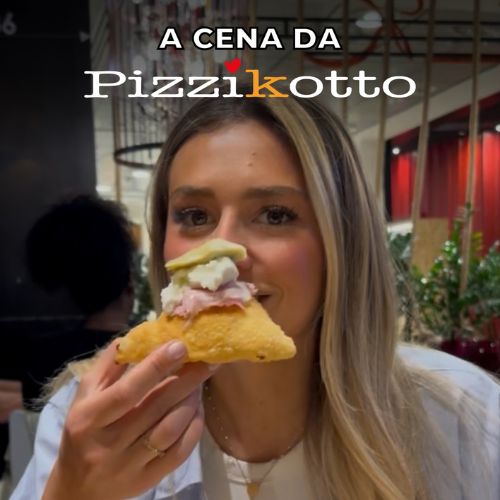
  • Production of an Instagram Reel filmed inside the restaurant, featuring a real-time account of the experience: arrival at the restaurant, a warm and inviting atmosphere, presentation of the menu, and tasting of the dishes with a focus on the option to choose the type of dough.
  • The video incorporates all of the brand’s key messages: the history of Pizzikotto and its nationwide presence, the quality and certification of its ingredients (from Italian organic suppliers), the variety of the menu (pizzas with different crusts, artisanal desserts, lunch menu, kids’ menu), the restaurant’s location and accessibility, and available promotions.
  • Final call to action aimed at encouraging visits and reservations. Tag @pizzikottopizzeria, hashtags #pizzikottopizzeria #ad, store location geotag, and link sticker.
Case Study

Measurable outcomes

The results of the influencer marketing efforts for the Pizzikotto campaign show strong performance in terms of both visibility and engagement with the target audience, with significant figures across all three markets involved.

Key creator campaign data

The project involved 5 creators for a total of 5 posts, spread across the cities of Bologna, Verona, and Lecco.

The extensive overall reach achieved with just five micro-influencer campaigns represents a significant accomplishment, resulting from the synergy between the creators’ local focus and the strength of the creative concept centered on pizza-making.

The data on saves is particularly significant: it is an indicator of high interest and potential impact on future visits, typical of content designed to drive in-store traffic.

The total Watch Time indicates a high level of active engagement with the published Reels.
Pizzikotto Influencer Promotion
Target

Public Demographic Profile

The audience reached perfectly matches the target audience defined at the outset:

  • The 25–44 age group accounts for more than half of the audience reached, with coverage extending up to age 65, in line with the young adults and food-oriented adults segments.
  • More than half of the profiles reached through Reels were non-followers: a key indicator of virality and the ability to reach beyond the creator’s established community.
  • The geographic segmentation confirms a concentration in the Bologna, Verona, and Lecco areas, consistent with the “drive-to-store” objective for the respective retail locations.
Case Study

Comments

The analysis shows a strong ability to deliver the message to the target audience, both geographically and sociodemographically, with a predominance of young adults. Interactions are primarily focused on expressions of appreciation (likes) and active interest (comments), highlighting an engaged audience that is inclined to save the content, with the potential for a tangible impact on future visits to the restaurant.

The tone of the comments is overwhelmingly positive: the menu, the way the dough is prepared, and the atmosphere stand out as distinctive features and strengths recognized by the public. Among the most notable comments are: “It’s great to be able to choose the crust,” “The atmosphere is meticulously crafted, and you can immediately sense the quality. “The idea of being able to choose the thickness of the pizza is wonderful… perfect for every taste!” and “This chain is also in my town, Trento, and the thin-crust pizza is my favorite.”

Of particular note is the viral reach component: the content also reached a significant number of non-followers, with an average of 59.1% and peaks of up to 71%, confirming the platform’s ability to expand beyond its established user base. The percentage of non-followers reached is a key indicator of growth in visibility among a new and potentially interested audience, selected by the algorithm through peer-to-peer shares or placement in the Explore section—both mechanisms based on interest and thematic affinity.

Finally, the audience is concentrated in the 25- to 44-year-old and 45- to 65-year-old age groups. These characteristics reflect the profile of the target audience that is most receptive and knowledgeable about the topics covered.
Pizzkotto, Food Influencer

Conclusions and lessons learned

The influencer marketing campaign for Pizzikotto in Bologna, Verona, and Lecco shows that:

  • Engaging local micro-influencers with a highly specialized focus on the local area and food is the most effective strategy for restaurant brands seeking to generate awareness and drive foot traffic in specific geographic areas, while maximizing the perceived relevance and credibility of their message within the community.
  • A strong and distinctive creative concept —such as the choice of how the dough is rolled out—serves to amplify attention and memorability: when the key message is concrete, visual, and unique, the content spreads more easily beyond the core follower base and generates meaningful comments and saves.
  • A multi-location strategy featuring local creators allows you to scale your campaign while maintaining authenticity and a sense of connection in each market, effectively replicating the model across different markets without losing the local relevance that defines micro-influencer marketing.
  • Saves as a key performance indicator (KPI) continue to prove to be a particularly useful predictor of in-store traffic for the restaurant industry: hundreds of saves across five posts indicate a concrete intention to visit in the future among the audience reached.

This case study demonstrates how the collaboration between Pizzikotto and Factory Communication serves as a replicable model for the brand’s other locations and, more broadly, for restaurants seeking to use influencer marketing as a concrete tool for local engagement—one capable of combining visibility, narrative authenticity, and measurable results.

Would you like to receive information?
Fill out the form
This site is protected by reCAPTCHA and Google: Privacy Policy e Terms of Use.
Would you like to receive information?
Fill out the form
This site is protected by reCAPTCHA and Google: Privacy Policy e Terms of Use.