

Home » Business Services » advertising » Pay-Per-Click Campaigns: Do You Pay for Clicks or Customers?
Lead-Generation PPC Management on Google, Meta, LinkedIn, Pinterest, and TikTok
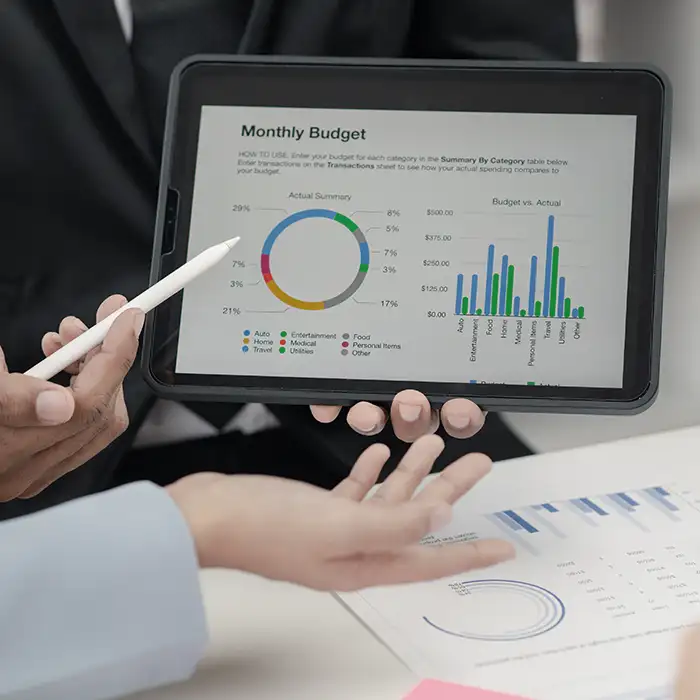
Every month, the platforms send you a report: clicks, impressions, and average cost per click.
All these numbers go up or down, and no one tells you how many requests came in or how much each one cost.
A click is a cost; a lead is the result.
A pay-per-click campaign works for you when it’s structured in the opposite way from how it’s often done: first, you decide what should happen after the click; then, you choose where to appear and how much to bid.
This page explains how it works, on which platforms it operates, and the criteria used to measure it.
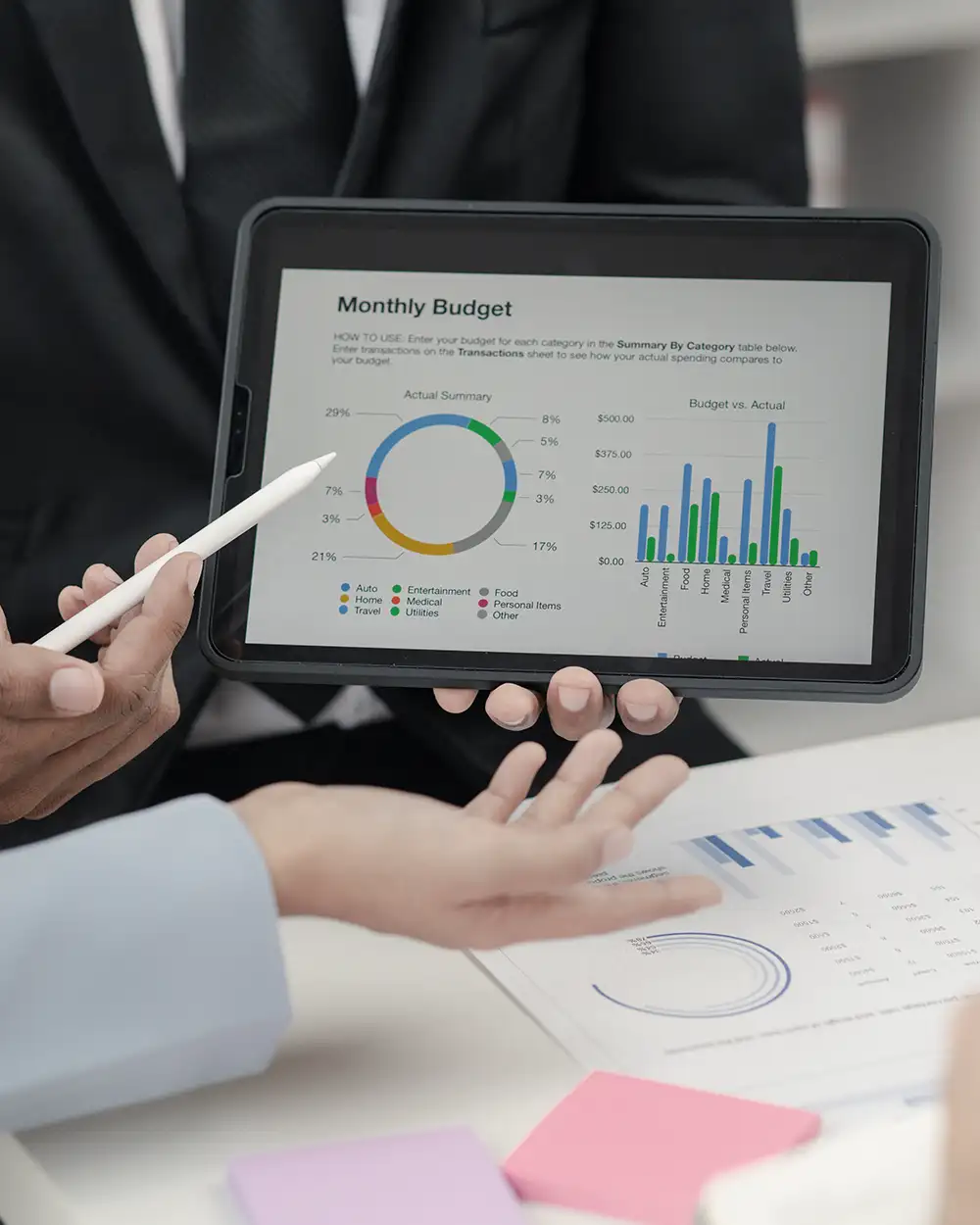
Advertising platforms accurately measure what happens within them:
What matters to the company happens next—on the landing page, over the phone, or through the contact form.
In PPC campaigns, when measurement stops at the click, the budget shifts toward ads that attract casual browsers and away from those that generate leads.
The result is a report that improves while revenue remains flat.
Day-to-day management makes all the difference:
These are small decisions, made every week, that together affect the cost of each contact.
This service is designed for companies and small and medium-sized businesses that already have a clear offering and want every euro spent on advertising to result in a measurable lead.
Pay-per-click is one of the key components of our advertising campaigns, alongside DEM, SMS, and digital display and audio advertising.
Each campaign follows the four phases of the FARO method by Factory. The order matters: we start by defining what should happen after the click, and only at the very end do we decide how much to invest on each platform.
Definiamo che cosa vale come risultato (una richiesta di preventivo, una prenotazione, una chiamata) e quanto può costare al massimo perché la campagna resti sostenibile.
Conversion tracking is enabled before you spend your first euro.
Scegliamo le piattaforme in base a dove si trova la domanda, poi costruiamo la struttura delle campagne: parole chiave, pubblici ed esclusioni.
Each ad group has a landing page that aligns with what the ad promises.
We write the ads, create creative variations for each platform’s formats, and set up the landing pages.
The campaign goes live with a pre-determined testing plan.
We analyze search terms, audiences, and ad campaigns; we shift our budget toward what drives leads and report on the cost per lead.
When a combination works, we expand it to new audiences or new platforms.
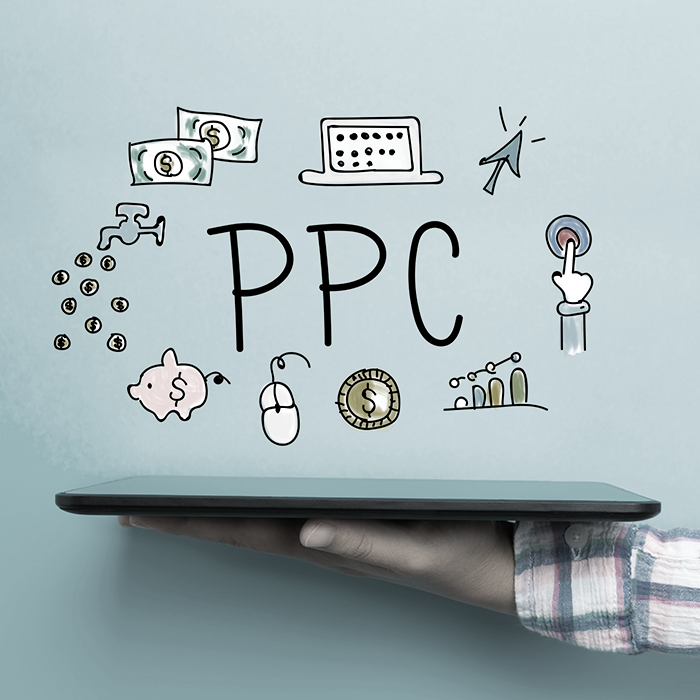
Pay-per-click campaigns are paid ads purchased through a real-time auction on platforms such as Google Ads, Meta Ads, LinkedIn Ads, Pinterest Ads, and TikTok Ads.
The advertiser pays when someone clicks on the ad, and many platforms also allow for pay-per-impression models.
The cost depends on the competition for the same keywords and the same target audiences.
Each platform reaches people at a different stage of the buying journey. The choice depends on where the demand for what you offer is located.
Annunci sulla rete di ricerca, display, Shopping e YouTube.
It’s a demand-driven platform: you appear when someone searches for what you offer. It’s ideal for those who sell services or products for which there is active search demand.
Advertising on Facebook and Instagram, with audiences built based on interests, behaviors, and similarity to existing customers.
It’s a good way to introduce an offer to people who aren’t yet looking for it and to bring back to the site those who have already visited it.
Annunci per chi sta progettando un acquisto: casa, moda, food, viaggi.
On Pinterest, people gather ideas, and the ad appears just as their decision is taking shape.
Audiences selected by role, industry, and company size.
It’s a business-to-business platform: the cost per click is higher, but this is offset by the precision with which it reaches decision-makers.
Short, vertical-format videos to reach people who discover products through content.
It works when a company adopts the platform’s language and produces native content.
Google and Meta’s automated bidding strategies use artificial intelligence to determine, on a bid-by-bid basis, how much to bid.
They work well when they receive the right signal: if they measure clicks, they look for clicks; if they measure qualified leads, they look for qualified leads.
Our job is to select that signal, feed it with clean data, and check every week to make sure the algorithm is moving in the direction the company wants.
Search engine advertising responds to a query that has already been made: the ad appears when someone searches for a product or service.
Social media advertising drives demand: it reaches people selected based on their interests and behaviors as they scroll through content.
The first reaches those who are ready to make a choice, while the second introduces the company to those who aren’t looking for it yet.
The investment consists of two separate items.
The value of both is determined by the project, based on the following factors:
The first reliable data comes in after a few weeks: that’s how long it takes for the algorithms to complete the learning phase and for conversions to accumulate in sufficient numbers to identify what works.
The method remains the same; what changes are the questions people ask, the channels they use, and the timing of their decisions. These are the four areas where we have the most expertise.
Restaurant reservations, food e-commerce sales, distributors for manufacturers: every goal has its own platform and its own approach.
Direct bookings that reduce reliance on OTAs, with search and social media campaigns tailored to seasonal trends.
Visual ads on Meta, Pinterest, and TikTok that align with the brand’s positioning and measure sales as well as visibility.
Qualified requests for professional firms and financial companies, in compliance with the rules that platforms apply to regulated services.
Four criteria can help you make a choice.
The cost consists of two components: the budget paid to the platforms and the management fee. Both depend on four factors: the number of platforms, competition in the industry, the volume of creative output, and the cost-per-contact target.
That is why the value is defined based on the project, after determining what the campaign is intended to achieve and the maximum cost per lead.
The job remains the same: choosing the audience, the message, and the right moment—just as when planning an ad in a daily newspaper or a trade monthly.
The way you pay has changed: you purchase ad space based on visibility, while pay-per-click is charged when someone responds to the ad. For business owners, this means being able to link every euro to a measurable response and adjust the budget while the campaign is still running, rather than waiting until it’s over.
It depends on the complexity of the project. An experienced freelancer is a good choice for a single platform with a simple goal.
When there are multiple platforms and creative production, landing pages, and tracking are needed, a team with diverse skills comes together to work toward the same goal.
In both cases, the criterion is the same: those who measure the cost per contact and share data transparently.
Three metrics describe the health of a campaign. The cost per click indicates how much it costs to bring a person to the site.
The cost per acquisition indicates how much it costs to acquire a lead or a sale. The return on ad spend shows how much revenue each euro invested generates. These metrics are analyzed together, with conversion tracking enabled from day one.
Yes, and in most cases, it’s worth it. Automatic bidding strategies calculate how much to bid at each auction based on the likelihood that a click will result in a conversion.
They perform best when they have a clear goal and enough conversions to learn from.
Three things remain the responsibility of people: setting the goal, eliminating irrelevant criteria, and reviewing the results.
Yes, because they operate on different timeframes. Pay-per-click drives traffic from day one and lets you see within a few weeks which keywords generate leads. The SEO ranking builds organic visibility that lasts over time.
Campaign data indicates which topics are worth investing in for content, and well-positioned content reduces spending on more expensive searches.
The ad takes the person to the website; the page determines whether they become a contact.
When a page delivers on the promise made in the ad, loads quickly, and asks for a single, clear action, the conversion rate goes up and the cost per lead goes down.
Google also factors in the on-page experience when determining the quality score, which affects the cost per click.
During your first meeting with Factory Communication, we’ll review your current campaigns together—or use them as a starting point.
We’ll define what counts as a lead for your company and how much it might cost. You’ll leave with a clear idea of which platforms are worth investing in and how to measure their performance.