

Home » Business Services » advertising » SMS marketing

Un SMS viene aperto quasi sempre.
That is the strength of this channel, and it is also its responsibility: it appears on your personal phone, right alongside messages from family and friends, and the recipient decides within seconds whether the company has been helpful or intrusive.
Ogni messaggio insegna qualcosa al cliente: ad aspettare il successivo, oppure a ignorarlo.
L’SMS marketing rende quando ogni invio ha una ragione per esistere: un’offerta pensata per chi la riceve, un promemoria che evita un problema, un’informazione attesa.
This page explains how to create a campaign, who it’s aimed at, and how to measure its success.
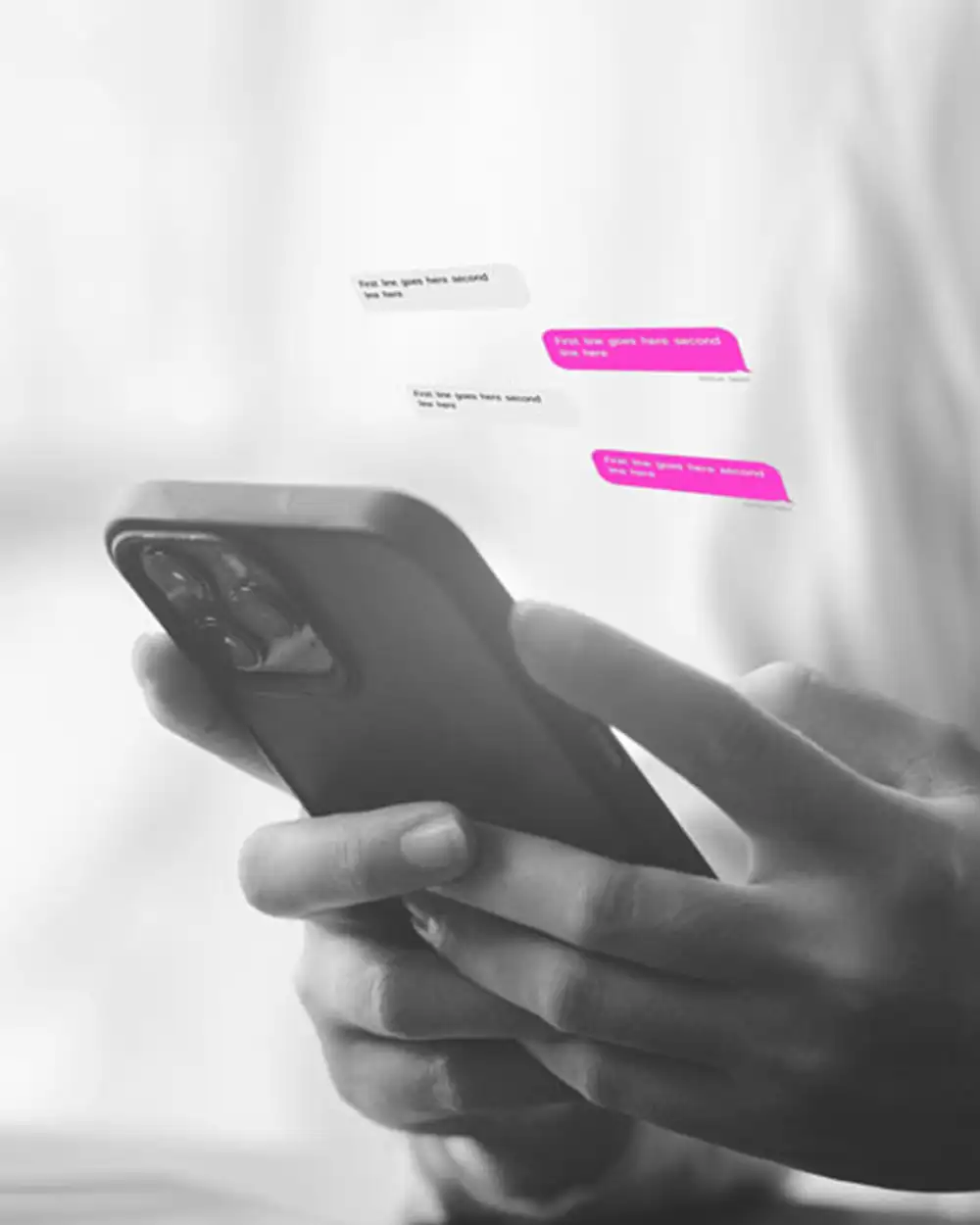
Con gli SMS il problema raramente è il recapito: il messaggio arriva, e quasi sempre viene letto. La differenza la fa ciò che succede dopo.
Le campagne SMS inviate a tutta la lista con la stessa offerta, all’orario più comodo per chi le spedisce, producono un picco di clic e una scia di disiscrizioni.
Those built around specific segments, moments, and themes transform a channel consisting of just a few characters into an event that customers look forward to.
That’s why a promotional text message campaign starts with three questions: Who is truly interested in receiving this message? When is it useful to them? What should they be able to do immediately after reading it?
The channel rewards those who communicate respectfully

SMS marketing is one of the key components of our advertising campaigns, alongside pay-per-click and direct email marketing.
It is designed for companies and small and medium-sized businesses that want a direct, immediate, and measurable channel to reach customers and potential customers.
A Few Words for a Clear Course of Action
A text message has limited characters and only a few seconds of the recipient’s attention. It needs to be a concise message, asking for just one action and providing a concrete reason to take it right away. Brevity is what makes this channel so direct.

Every campaign follows the four phases of the FARO by Factory method. We start with the recipient of the message, and only at the very end do we write the 160 characters.
We define the goal of each campaign (a visit, a reservation, a purchase, a reminder) and the customer segments for whom it is truly useful. We verify the source of the contacts and the validity of their consent before sending any campaign.
We build the segments, decide whether to work with the company database, third-party profiled lists, or both, and set a schedule with manageable frequencies. We determine which mailings are scheduled and which are triggered by an event.
We write short messages with a clear call to action, set the sender to the company name, and include tracked links to pages optimized for mobile devices. Every message includes an option to unsubscribe.
We track deliveries, clicks, conversions, and unsubscribes; we compare different messages and send times; and we shift our campaigns toward what works. When a message performs well, we turn it into an automated workflow.

SMS marketing is the sending of text messages for commercial or informational purposes to people who have given their consent.
A single text message contains up to 160 characters, can display the company name as the sender, and can include a tracked link.
It is used for promotions, reminders, confirmations, and service announcements.
Objectives for each mailing, segments based on purchases, interests, and behavior, and a campaign schedule throughout the year.
Verification of consent in the company database, selection of third-party lists with documented consent, and management of unsubscriptions.
160-character text messages, a personalized sender name featuring the company name, and short, trackable links to mobile-optimized pages.
Scheduled emails and event-triggered messages: confirmations, reminders, abandoned carts, birthdays. Multi-channel workflows are at the heart of marketing automation.
Reports on deliveries, clicks, conversions, and unsubscribes for each email campaign and segment, with concrete recommendations for the next message.
Un SMS che conferma una prenotazione, ricorda un appuntamento o segnala che un prodotto è tornato disponibile viene accolto come un servizio.
The same channel, used for generic promotions sent to the entire list, is perceived as an interruption.
Per questo lavoriamo sempre su due binari: campagne programmate con un motivo preciso e messaggi che partono da un evento nella vita del cliente.
SMS messages can be received on any phone, without the need for an app or an internet connection, and are ideal for short, urgent messages such as reminders, confirmations, and time-sensitive offers.
WhatsApp requires the app and allows for images, buttons, and a conversation with the customer.
The first provides the broadest coverage, while the second offers a more in-depth analysis.
Many companies use them together: SMS for messages that need to reach everyone, and WhatsApp for communicating with those who have chosen that channel. Strategies and examples are covered in the articles on WhatsApp marketing.
The investment consists of two items.
Value is defined in the project based on the following factors:
The initial results are evident right from the first mailing. A reliable picture emerges after a few campaigns, when comparisons of copy, schedules, and segments reveal what works.
The method remains the same; what changes are the questions people ask, the channels they use, and the timing of their decisions. These are the four areas where we have the most expertise.
Collection previews, invitations to in-store events, and exclusive offers for loyal customers, all presented in a tone consistent with the brand’s positioning.
Reminders of appointments, deadline notices, and service announcements, with the confidentiality and compliance required for regulated services.
Four criteria can help you make a choice.
The cost consists of two components: mailings, which depend on the provider, volume, and any third-party mailing list rentals; and campaign management.
Other factors that influence the cost include the number of segments, the automations to be integrated with company systems, and the frequency of mailings.
For this reason, the cost is determined on a project-by-project basis after establishing the objectives and target audience.
The principle remains the same: reaching a person on their phone with an offer tailored to them.
The method changes: a phone call interrupts and demands an immediate response, while a text message is read when the person chooses and leaves the decision up to them.
For the entrepreneur, this means a less intrusive form of engagement that is easier to measure and maintain over time.
Yes. In Italy, Article 130 of the Privacy Code requires prior consent for commercial communications via text message, and the GDPR requires that this consent be documented.
When using third-party mailing lists, consent must also cover the disclosure of information to third parties. Each message must include instructions on how to unsubscribe.
This is the name that appears in place of the phone number—usually the company’s number—and can be up to 11 characters long. It makes the message recognizable and trustworthy right from the notification. The messaging provider handles its registration in accordance with Italian regulations.
The moment when the message is useful to the recipient: a reminder the day before an appointment, a lunch offer late in the morning, or a confirmation immediately after a purchase.
Evening and late-night time slots should be avoided. The best times for each audience are determined through testing, by comparing different broadcasts.
They work well together. Email marketing tells a story, provides in-depth information, and builds relationships over time; SMS drives action with short, urgent messages.
An effective strategy assigns to each channel the messages that work best for it, avoiding the repetition of the same content across both channels.
Four indicators tell the story of a campaign:
The last indicator shows whether the frequency and relevance are correct.
During your first meeting with Factory Communication, we’ll review your database, consent records, and past mailings together—or we’ll use that as our starting point. You’ll leave with a clear idea of what messages to send, to whom, and when.